The trade-off
Plenum vs. draw-over
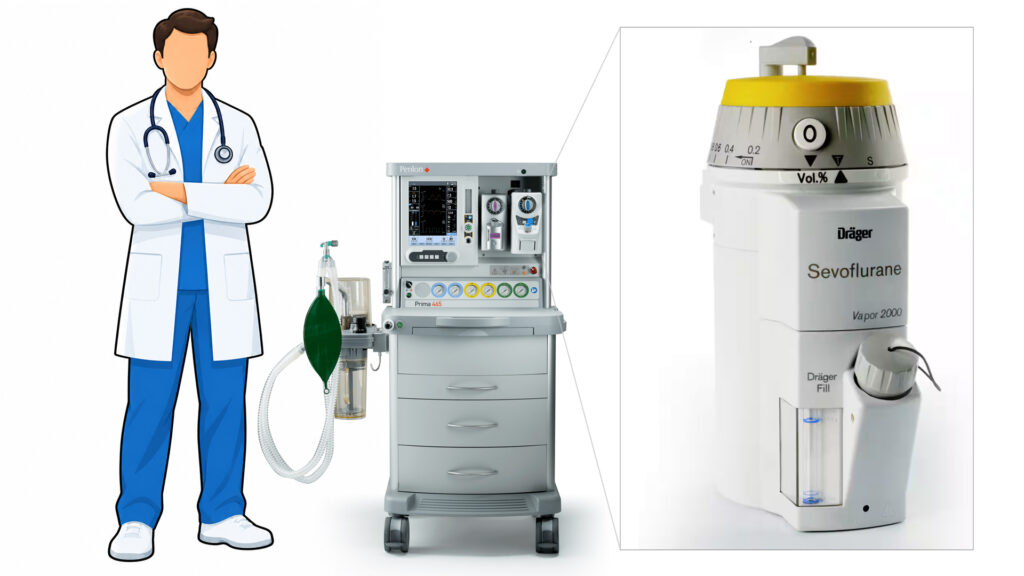
Plenum vaporizers
Accurate, but dependent on the machine
Sit within a pressurized fresh-gas circuit and use internal compensation to dose precisely.
The trade-off: they need a calibrated, pressurized gas supply and a compatible workstation.
Draw-over vaporizers
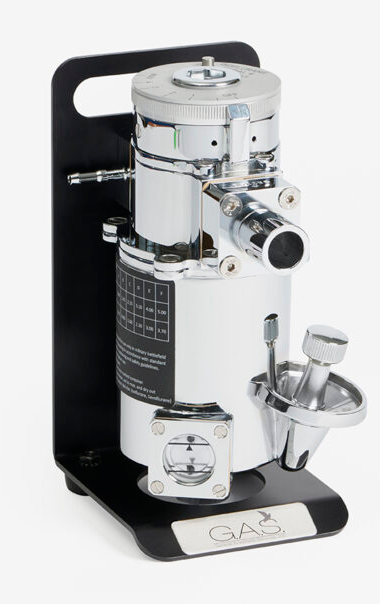
Simple and low-resistance, but historically imprecise
Sit directly in the patient’s breathing path with very low resistance — no pressurized supply required.
The trade-off: without careful design, dosing accuracy can drift with flow rate, temperature, and altitude.
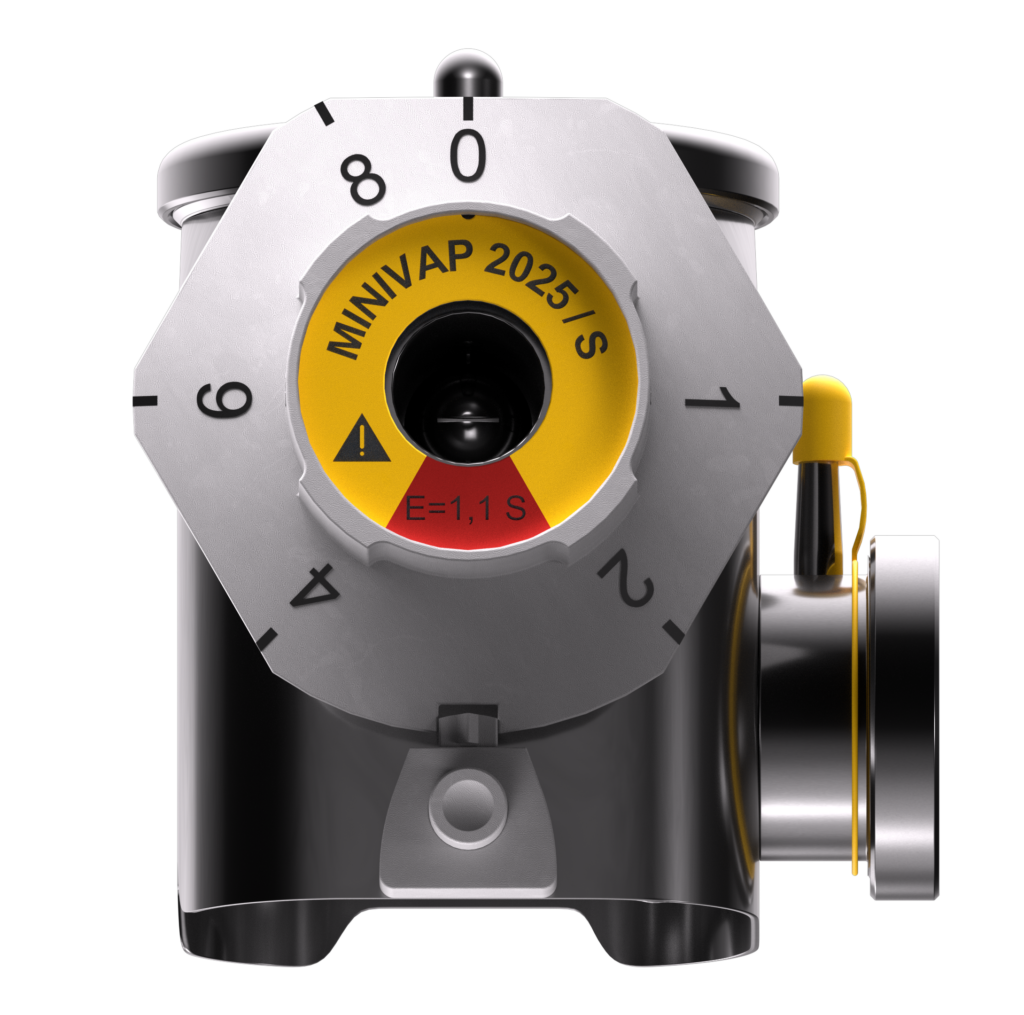
MINIVAP: a stabilized, low-resistance design
Internal geometry and thermal stabilization hold dosing accuracy across the full 0.2–15 L/min flow range — plenum-grade accuracy, delivered through a draw-over-simple device.

Specification sheet
MINIVAP against published competitor specifications
Competitor figures are drawn from publicly published manufacturer specifications and vary by exact model and configuration.
|
Specification
|
Minivap 2026
|
Penlon Sigma Delta
|
Draeger Vapor 2000
|
Draw over Vaporizer
|
|---|---|---|---|---|
|
Weight
|
300 - 400 g
|
4.8 - 5 kg
|
6 kg
|
? g
|
|
Flow range
|
0.2–15 L/min
|
0.2–15 L/min
|
0.15–15 L/min
|
?–? L/min
|
|
Power required
|
None
|
None
|
None; battery-backed on D-Vapor
|
??
|
|
Mounting
|
Standalone, hand-portable
|
Backbar — Selectatec®
|
Backbar — DW-2000, 23mm ISO
|
??
|
|
Circuit design
|
Open, semi-open, semi-closed
|
In-circuit plenum
|
In-circuit plenum
|
Open
|
Further reading
Technical details and research
Portable Vaporizers and Machines for Inhalation Anesthesia
Published reference documenting low-resistance vaporizer design.